
![Gertrude Käsebier - The Sketch [Beatrice Baxter Ruyl], 1903](/vitruvius/render/300/514814.jpg)
Made to Order
On-Demand Printing
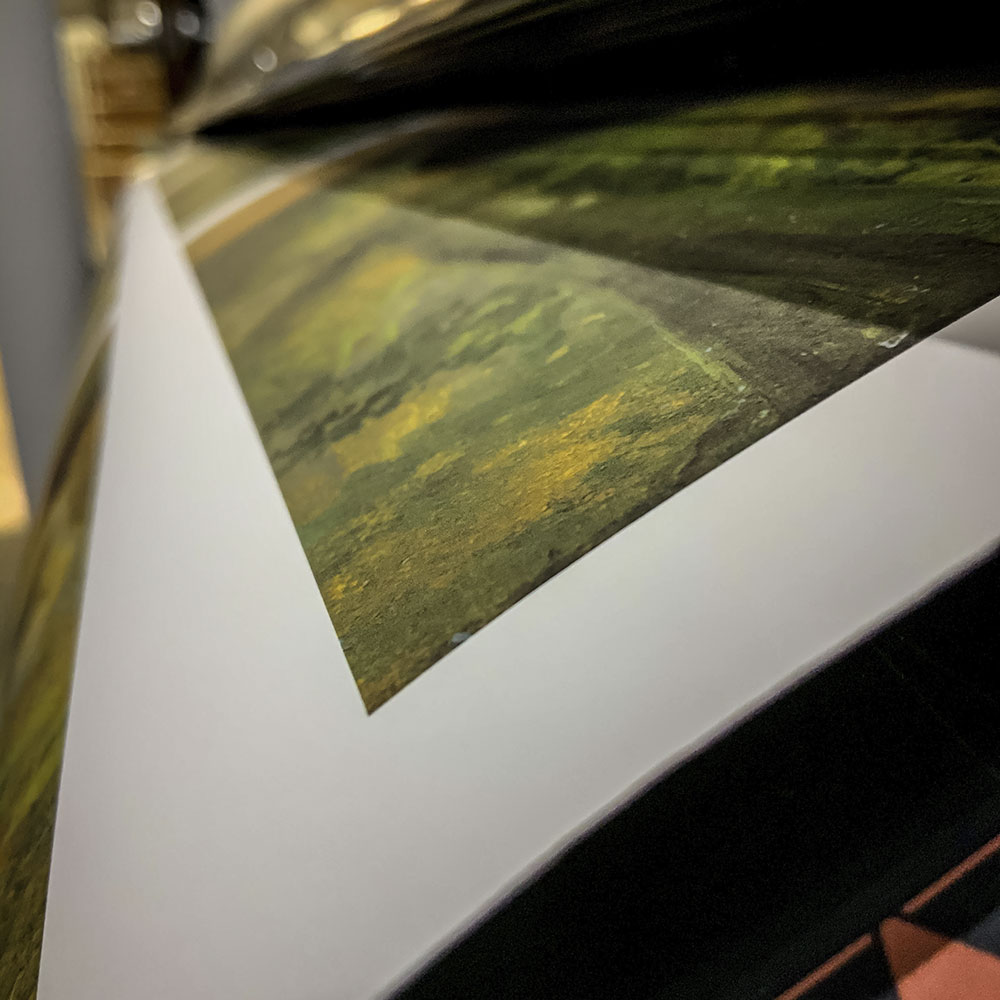
All products are produced on-demand, in accordance with stringent production protocols designed to ensure consistent and superior quality.

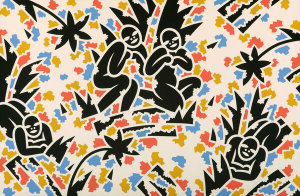
Ida Kohlmeyer (American/New Orleans, 1912–1997), Cluster #39, 1973. Oil on canvas. Bequest of Zita Marks Templeman. © Ida Kohlmeyer.
After obtaining her MFA in painting at Newcomb College in 1956, Kohlmeyer traveled to Provincetown, Massachusetts for a summer course with Hans Hofmann, whose philosophies on art and art practice transformed her work. She confidently moved from representational painting to abstraction, with the firm belief that technical skill in drawing and painting was a prerequisite for movement away from traditional practice.
Later, when Kohlmeyer was an art instructor at Newcomb, Mark Rothko arrived as a visiting professor. Rothko became another key influence on her work, and reinforced many of Hofmann’s tenets: painting as revelation not imitation, painting driven by impulse – “one color calling for another, a round shape demanding its opposite” , and form and content originating in “automatism, unconscious impulses and fantasies.” The influence of surrealists such as Joan Miró, whom she met during a sojourn in France in 1956, is also clearly evident in her work: Kohlmeyer’s evolving painterly abstractions eventually led to her creation of “scriptic” markings.